


As children grow up, there comes a point when the baby's room is no longer fully adapted to their needs and a makeover is necessary. This period usually starts when the child is three years old, when new needs and activities are introduced. In this blog post, we'll show you how to transform your baby's room into a nursery that grows with your child and provides the space they need for years to come.
1. Replacing the Bed: Choosing the Perfect Bed
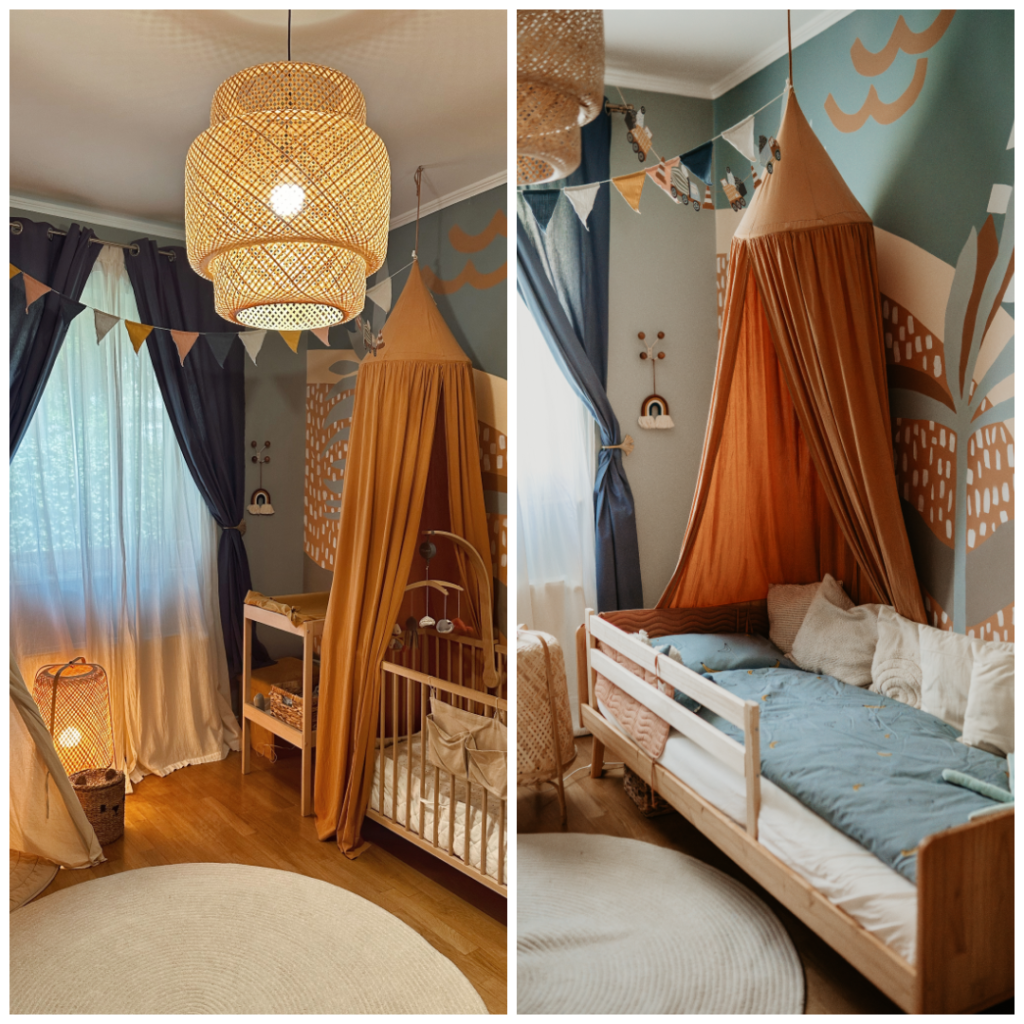
The first major change to the baby's room is the replacement of the bed. At this point, it is a good idea to choose a bed that is 80-90 cm wide and 200 cm long, which will remain comfortable in the long term. Luckily for us, the removal of the changing table can also be done at this time, so that just enough space can be freed up when the cot is removed. There's no need for an expandable bed, a sturdy bed frame of the right size that blends in well with the style of the room will suffice. Of course, it can be pulled out if you want to make any co-sleeping more comfortable. In smaller rooms (apartments, houses), a linen rack is almost a must!
When designing the bed, special attention should be paid to the "cozy" atmosphere. This can be achieved with lots of soft cushions that not only increase comfort but also provide safety by protecting the child from injury during turning. You could also add a few plush toys to the bed, but be careful not to overdo it as they can cause allergies.
Own design
2. Anti-fall and Night Light
As children at this age still tend to roll over a lot in their sleep, it is important that the bed is equipped with a fall prevention device. This device is easily available or can even be custom-made so that the bed frame is not damaged.
Night or reading light is an essential element in the room. Choose a lamp that gives a soft light, ideal for bedtime stories, and provides enough light to wake up at night without disturbing the child by turning on the big light.
3. New Furniture: small table and chairs
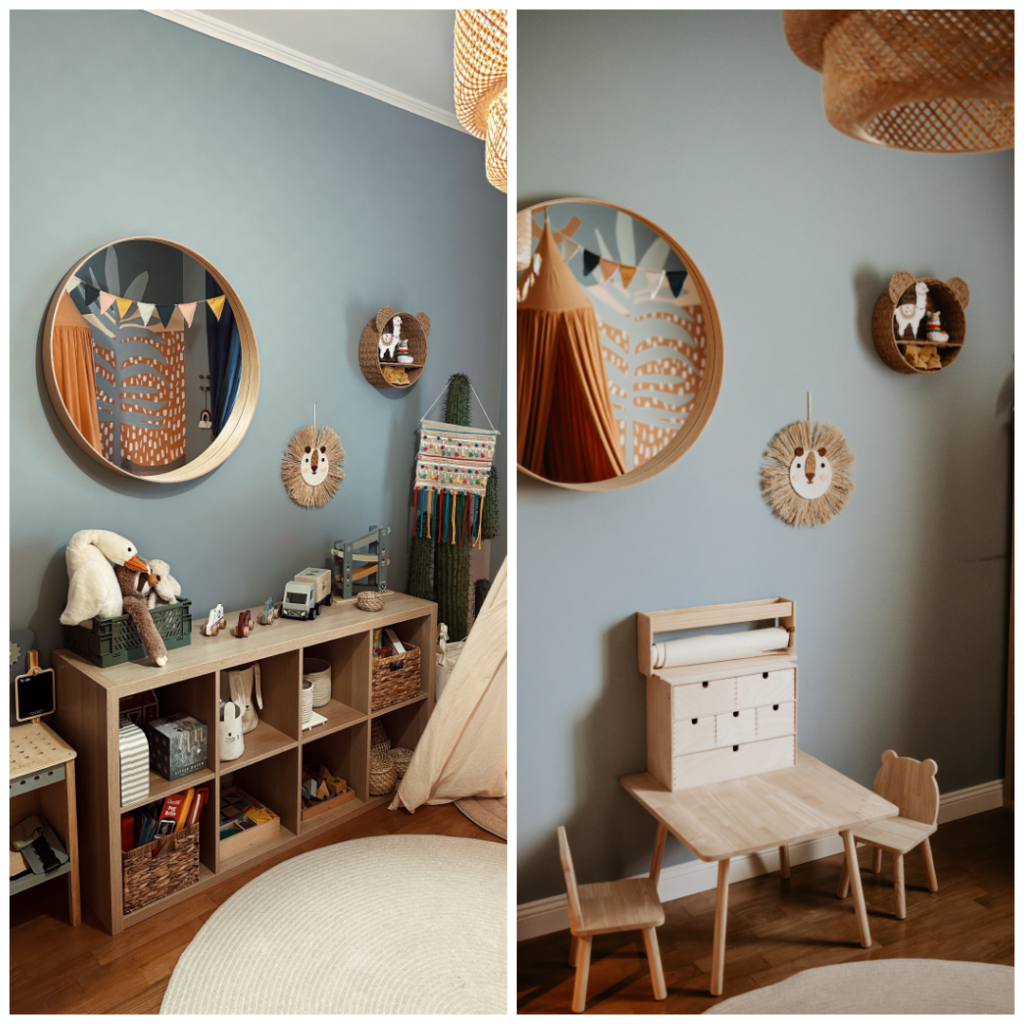
The transformation from a baby's room to a toddler's room can also include new furniture. A small table and chairs are perfect for drawing, playing with clay, socialising or other craft activities. These pieces of furniture will encourage your child's creativity and make the room more functional at the same time.
Own design
4. Decoration: new wall decorations and a welcoming atmosphere
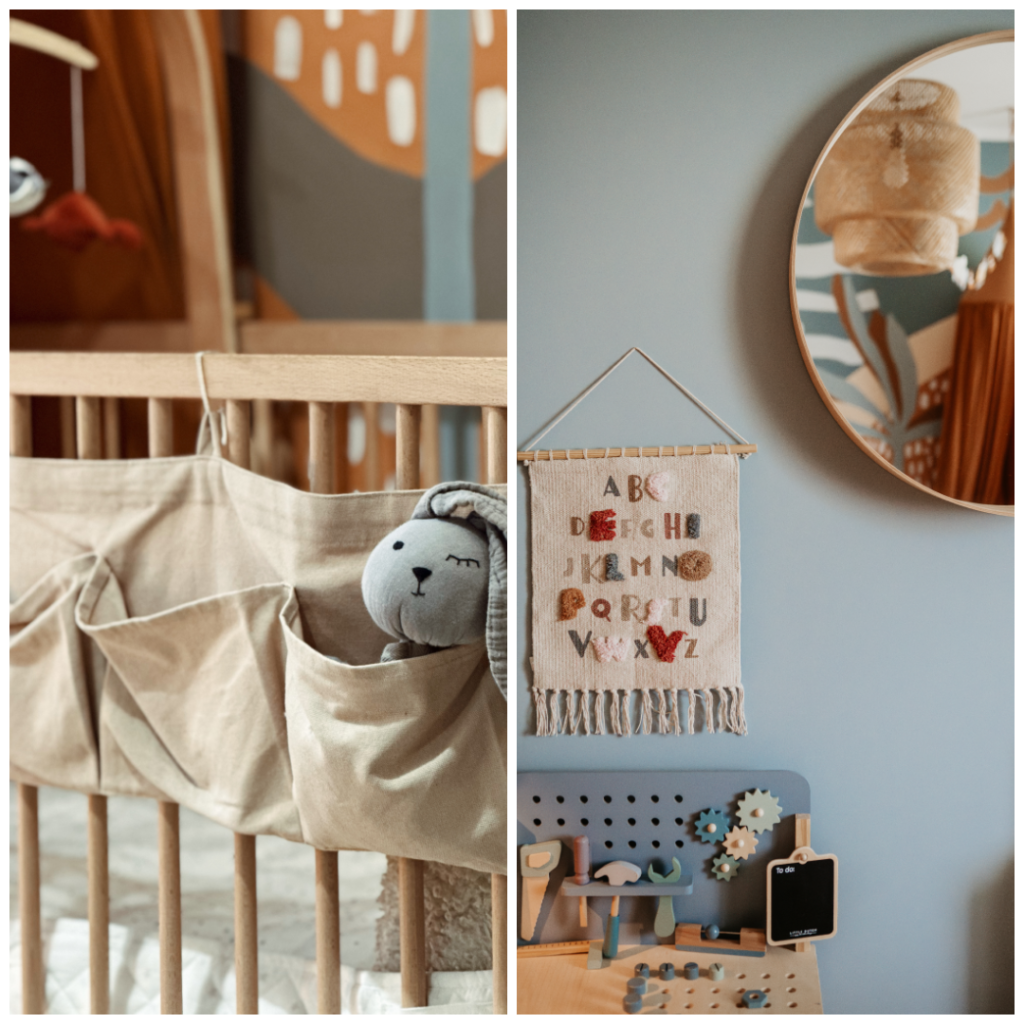
Room decor can also change as the child grows. New wall pictures, posters, garlands, flags and other decorations can make the room even more welcoming. These items will not only improve the atmosphere of the room, but will also give the child a visual renewal and a sense that the room is "growing with him".
Own design
5. Storage and Use of Space: higher shelves and furniture
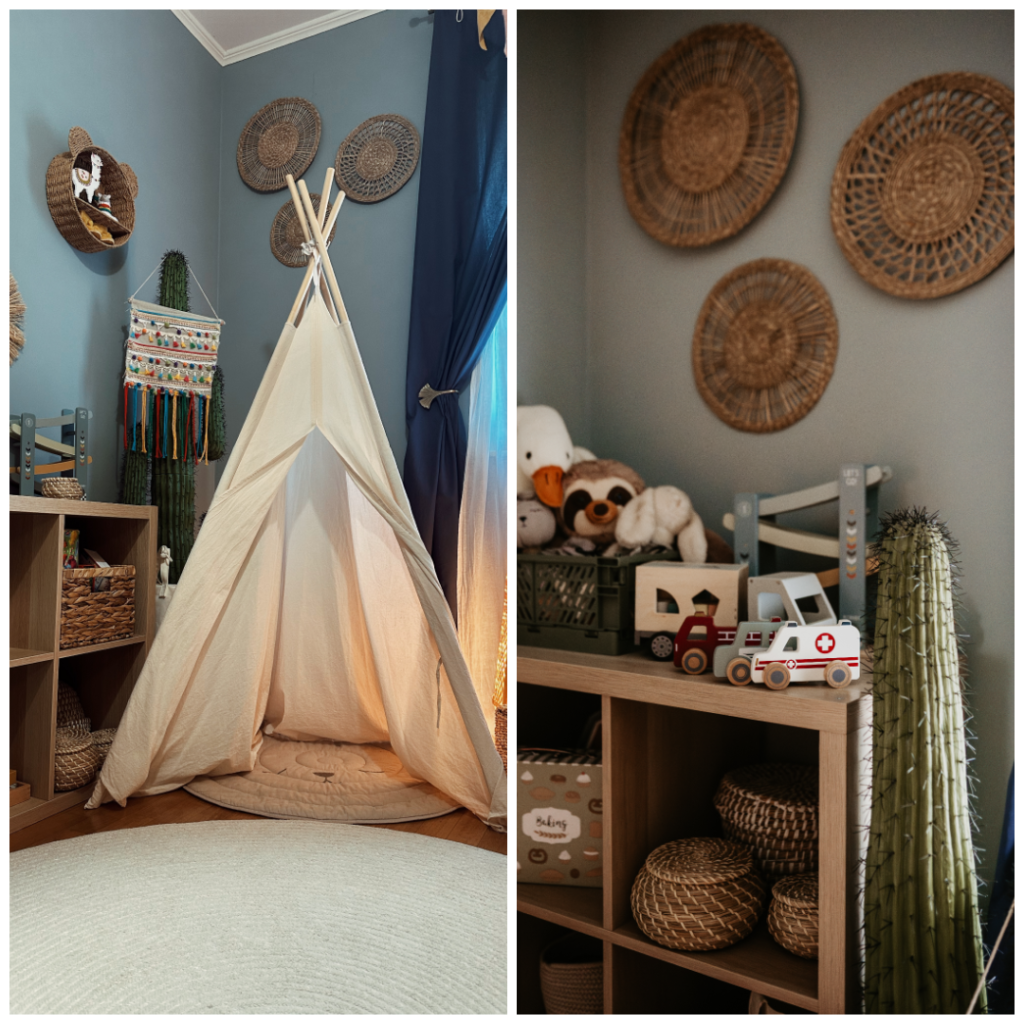
As a child grows, so does the amount of toys and other objects that need space. This is where the introduction of taller shelves and bookcases comes in, providing more storage capacity. Proper securing is very important to avoid accidents! This also opens up the possibility of creating additional play areas, such as a kitchenette or tool table.
Own design
6. Selection of Toys and Clothes
During the refurbishment, it is also important to review toys and clothes. It's a good idea to give away, sell or put away nursery-age toys as souvenirs, and replace them with some (even new) preschool-age toys. The same goes for clothes: bodysuits and other toddler-wear can be discarded in favour of new, current items. It is important to rearrange the wardrobe accordingly.
Summary
Turning a baby's room into a nursery is an exciting but important step in your child's development. With the right furniture, decorations and storage solutions, you can create a room that is not only functional, but also welcoming and inspiring for your child. In this way, we can ensure that the room really grows with him and provides him with the right space for the long term.
If you're stuck in the remodelling process, or you're planning a baby room that will provide a livable space for your child later on, read more about our nursery design and the process below:
Or, if you've already decided to involve a designer in the process, you can request a custom quote from us on the following page: